

Quick Summary
Clean energy without coffee jitters comes from controlling caffeine dose and timing, then building steady habits. Jitters happen when caffeine is taken in large amounts, on an empty stomach, or late in the day. Caffeine-free drinks, lower-caffeine teas, and a daily routine of water, daylight, walking, and protein-fiber snacks can keep focus steady.
- Jitters usually come from large caffeine doses, caffeine on an empty stomach, or caffeine late in the day.
- Lower-caffeine does not mean caffeine-free, so count total caffeine across all drinks for the day.
- Drink a full glass of water and get outside for 10 minutes of daylight within an hour of waking.
- Take a 10-minute walk in early afternoon to help beat the post-lunch slump.
- Set a caffeine cutoff time, such as noon, and keep a one-week log of energy and sleep.
Table of Contents
- Why Coffee Jitters Happen and What Clean Energy Actually Means
- Healthy Alternatives to Coffee for Energy: Caffeine-Free and Low-Caffeine Options
- Drinks That Give You Energy Without Caffeine and Sugar
- Natural Ways to Boost Energy Without Caffeine: A Daily Routine
- Using a Caffeine Alternative Supplement Safely: Evidence, Expectations and Interactions
- Building Your Jitter-Free Energy Plan This Week
- Frequently Asked Questions
Why Coffee Jitters Happen and What Clean Energy Actually Means
Last Updated: November 10, 2026
Clean energy without coffee jitters is possible, but only if you know what causes the shakiness in the first place. Caffeine blocks adenosine, a chemical that makes you feel sleepy, so you feel alert.
Clean energy means steady alertness without the spike and crash. It is focus that lasts through the afternoon, not a jolt that fades in an hour.
What triggers jitters and who is most sensitive
Jitters usually come from a few common triggers:
- A large coffee or energy drink, especially one taken quickly
- Caffeine on an empty stomach
- Caffeine late in the day, which can disrupt sleep and raise next-day nerves
Some people are more sensitive than others. Those who rarely drink caffeine, people with a fast caffeine clearance rate, and anyone already dealing with anxiety often feel jitters at lower doses. Pregnant people and those taking certain medications should talk with a doctor before changing their caffeine intake.
Healthy Alternatives to Coffee for Energy: Caffeine-Free and Low-Caffeine Options
Caffeine-free and low-caffeine drinks can offer a lift without the same sharp edge, but the label "alternative" covers a wide range. Some options contain zero caffeine, while others contain enough to trigger jitters in sensitive people. Compare which supplements have real evidence and which ones crash energy later. The right choice depends on how much caffeine you want, how fast your body clears it, and what time of day you are drinking it.
How to tell caffeine-free from low-caffeine
A drink is caffeine-free only if it contains no caffeine at all. Low-caffeine means it contains some, and the amount can vary widely by serving size, brewing method, and product. A common pattern is for people to replace one coffee with two or three teas and end up at the same total caffeine dose without realizing it. Before you swap, check the total for the day, not just the single drink.
- Caffeine-free: herbal teas (peppermint, chamomile, ginger), chicory root, roasted dandelion root, plain water, sparkling water, coconut water, golden milk.
- Low-caffeine: green tea, white tea, matcha, yerba mate, black tea, decaf coffee (which still contains a small amount of caffeine).
Caffeine-free drink options compared
- Coconut water: Adds potassium and light natural sugars. Pro: refreshing after exercise or in heat. Con: sugar adds up quickly if you drink it all day.
- Golden milk (turmeric latte without caffeine): Pro: easy to make at home and pleasant as an evening ritual. Con: not a strong energy source; the appeal is mostly warmth and routine.
- Chicory root coffee alternative: Roasted flavor, no caffeine. Pro: closest in taste to coffee for people who miss the ritual. Con: some people find it bitter.
Lower-caffeine options such as tea and yerba mate
- Green tea: Has less caffeine than coffee and contains L-theanine, an amino acid. Pro: gentle focus for many drinkers. Con: effect varies by person, and brewing longer raises caffeine.
- Matcha: A powdered green tea with more caffeine per serving than regular green tea, but still generally lower than a cup of coffee. Pro: a strong flavor many drinkers enjoy. Con: strong taste, and it is easy to overdo the powder.
- Yerba mate: A South American tea with moderate caffeine. Con: contains more caffeine than most teas, so limit portions if you are sensitive.
Watch out: Lower-caffeine does not mean caffeine-free. Two cups of matcha plus an afternoon tea can still cause jitters, especially on an empty stomach or late in the day.
A simple way to choose
- If you want zero caffeine: start with water, herbal tea, or chicory.
- If you want a gentle lift: try green tea or matcha earlier in the day.
- If you are sensitive or drinking after mid-afternoon: choose caffeine-free options and save low-caffeine drinks for the morning.
The table below compares the caffeine-free and low-caffeine drinks covered in this section, so you can see which fits your needs.
| Drink | Caffeine level | Best for | Key difference |
|---|---|---|---|
| Herbal tea (peppermint, ginger) | Caffeine-free | Afternoon or evening | Modest energy effect, mostly hydration and a pause |
| Chicory root coffee alternative | Caffeine-free | Missing the coffee ritual | Roasted flavor, some find it bitter |
| Coconut water | Caffeine-free | After exercise or in heat | Adds potassium, but sugar adds up |
| Golden milk | Caffeine-free | Evening routine | Warmth and routine, not a strong energy source |
| Green tea | Low-caffeine | Gentle morning focus | Contains L-theanine; brewing longer raises caffeine |
| Matcha | Low-caffeine | Strong flavor lovers | More caffeine per serving; easy to overdo the powder |
| Yerba mate | Low-caffeine | Moderate energy | More caffeine than most teas; limit portions if sensitive |
| Decaf coffee | Low-caffeine | Keeping the coffee ritual | Small residual caffeine can still matter late in the day |
Drinks That Give You Energy Without Caffeine and Sugar
Sugar-free drinks are an option if you want to avoid sugar. Try a few of these:
- Sparkling water with a squeeze of lemon and a pinch of sea salt
- Unsweetened herbal teas such as peppermint, which many people find refreshing
- Chicory root coffee alternatives, which have a roasted flavor and no caffeine
Choose drinks with no added sugar where possible.
Natural Ways to Boost Energy Without Caffeine: A Daily Routine
Energy comes from habits, not just drinks. A simple daily routine can make a noticeable difference, but the most useful version tells you what to do in the next few minutes, not just what to do someday. Find more ways to clear brain fog naturally. Below is a practical, time-based routine you can start today, plus guidance for the situations where the right move changes.

What to try in the next 5, 15, and 60 minutes
- Next 5 minutes: Drink a full glass of water. If you can, step near a window or outside for daylight.
- Next 15 minutes: Take a short walk, ideally outside. Movement can help you feel less sluggish. If you cannot leave, stand up, stretch, and take a few slow breaths.
- Next 60 minutes: Eat a small snack with protein and fiber, such as nuts and fruit, rather than something sugary. Pair it with water, not another caffeine drink.
A day-long structure that supports steady energy
- Within an hour of waking: Drink a full glass of water and get outside for 10 minutes of daylight.
- Mid-morning: Eat a small snack with protein and fiber, such as nuts and fruit.
- Early afternoon: Take a 10-minute walk, which can help beat the post-lunch slump. If you are at a desk, a short walk is often more effective than a second coffee.
Adjusting for specific situations
- Afternoon slump: Try water, a 10-minute walk, and a protein-fiber snack before reaching for caffeine. If you do want a drink, choose caffeine-free or low-caffeine and keep the portion small.
- Shift work: Anchor your routine around your sleep block rather than the clock. Use daylight and movement at the start of your shift, and keep caffeine-free options for the hours close to your sleep time.
- Studying or deep focus: Alternate 25-50 minutes of work with short movement or water breaks. A warm caffeine-free drink can serve as a ritual that marks the start of a focus block.
If low energy persists despite these habits, that is a signal to talk with a healthcare professional rather than keep adding stimulants or supplements.
Using a Caffeine Alternative Supplement Safely: Evidence, Expectations and Interactions
A caffeine alternative supplement may fit into a routine, but expectations should be realistic. Results vary from person to person.
Check three things before you buy:
- Ingredient list: Know exactly what is in the product and how much of each ingredient it contains.
- Third-party testing: Look for independent lab results. Learn how to verify purity and quality before you buy. USP's guidance on dietary supplement verification explains what testing programs check for.
- Interactions: Talk to a doctor or pharmacist if you take prescription medication, have a health condition, or are pregnant.
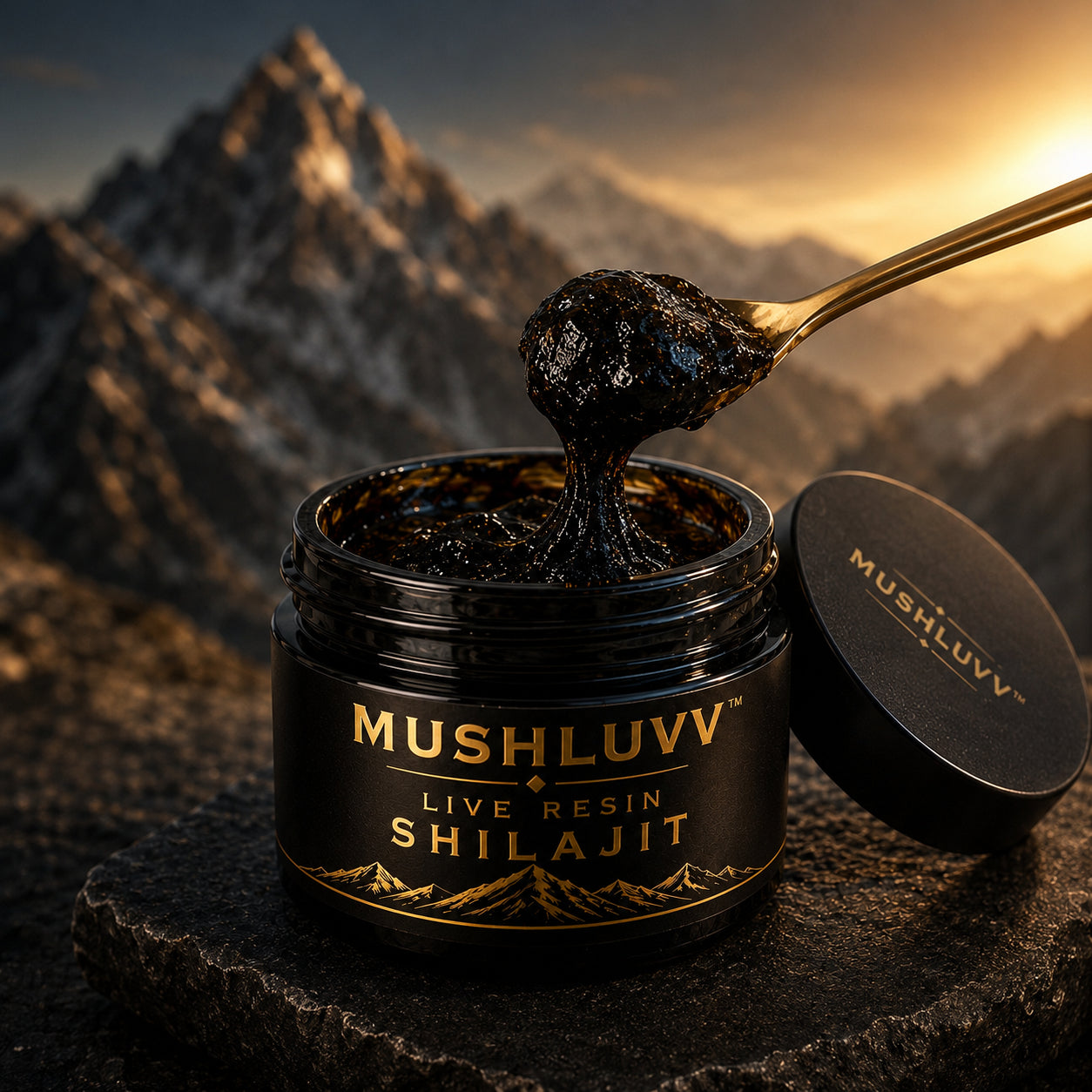
If you want to try a caffeine-free supplement, MushLuvv Live Resin Shilajit is one option to review. It is a single-ingredient resin at $29.99, so read the full listing before you buy.
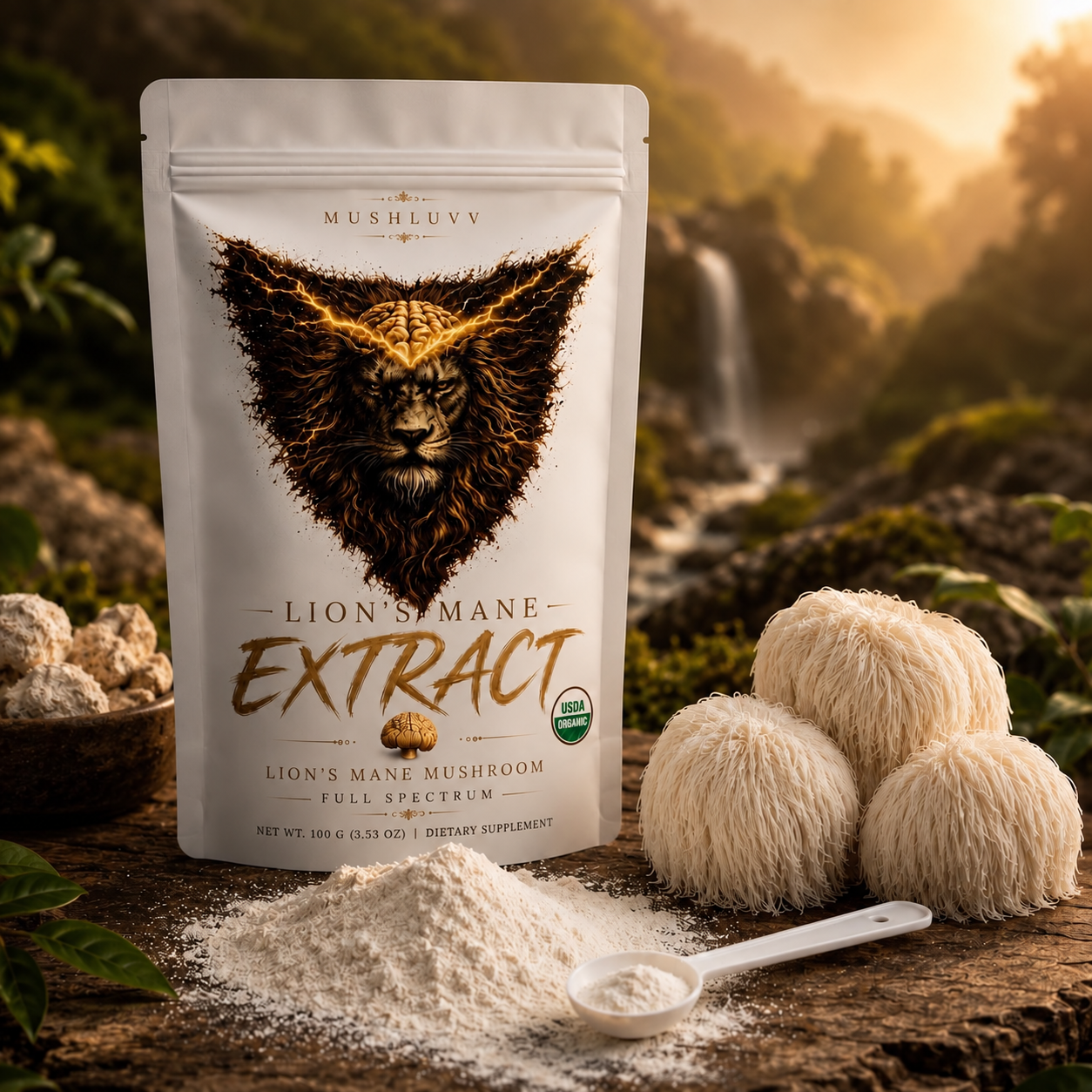
Also consider Organic Lion's Mane Extract Powder | 100g | Full Fruiting Body | MushLuvv's Lion's Mane at $24.99 if you are weighing lion's mane. It blends into coffee, tea or smoothies. Judge whether lion's mane is worth the price before you buy.
Building Your Jitter-Free Energy Plan This Week
Start small and build one habit at a time:
- Replace your second coffee with green tea or water
- Drink a glass of water first thing in the morning
- Take a 10-minute walk after lunch
Clean energy is a steady pattern of habits. Pick two or three steps from this list, stick with them for a week, and adjust from there.
Ready to add a clean energy option to your routine? Browse the MushLuvv shop to compare products and find the right fit for your daily habits.
Frequently Asked Questions
What energy drinks don't make you jittery?
Drinks that are caffeine-free or low in caffeine are the least likely to cause jitters. Herbal teas such as peppermint or rooibos contain no caffeine, while green tea and yerba mate contain modest amounts that are usually easier to tolerate than the concentrated caffeine in many energy drinks. Check the label for caffeine content per serving and watch for added sugar, which can cause its own energy dip. Starting with a small serving and noting how you feel within an hour helps you find your personal limit.
How can I feel energized without caffeine?
Energy without caffeine usually comes from routine basics: drinking enough water, eating meals with protein, fiber and complex carbohydrates to keep blood sugar steady, getting daylight soon after waking, and moving your body for a few minutes every hour. Keeping a consistent sleep schedule and a dark, cool bedroom is a common routine. If fatigue persists for several weeks despite these changes, talk with a healthcare provider about persistent fatigue.
Why do I get jittery from energy drinks but not coffee?
Jitters depend on total caffeine dose, how quickly you consume it, and your individual sensitivity, not only on the drink type. Many energy drinks contain caffeine plus other stimulants, and some people drink them faster than they would sip coffee, which concentrates the effect. Coffee is also often consumed with food, which can slow absorption. Adding a snack, reducing the dose, or spacing servings apart can reduce jitters from either drink.
Which coffee alternatives can support energy without jitters?
Options with low or no caffeine include green tea, matcha in small amounts, yerba mate, chicory coffee and herbal blends. Each differs in caffeine per cup, so compare labels before choosing. Pairing any alternative with water and a balanced snack is a common routine, and a caffeine alternative supplement should be reviewed with a clinician if you take medication or have an existing health condition.
