

Quick Summary
Third party lab testing matters because the product label alone can't prove what's inside. An independent lab with no stake in sales checks contents against label claims, so its results are far more credible than a brand testing its own product.
- A brand testing its own product has an obvious conflict of interest.
- Look for a Certificate of Analysis that names the lab and lists its results.
- Independent labs usually check heavy metals, purity and potency.
- A clean result from one batch does not guarantee every future batch.
- Check that the Certificate of Analysis lot number matches your bottle.
Table of Contents
- What Third-Party Lab Testing Is and Why Independence Matters
- Third-Party Tested vs. Lab Tested: What the Difference Means
- What Independent Testing Checks: Heavy Metals, Purity and Potency
- Frequently Asked Questions
What Third-Party Lab Testing Is and Why Independence Matters
Last Updated: November 1, 2026
Why does third party lab testing matter for supplements? Because the label alone can't prove what's inside. Third party lab testing means an independent lab with no stake in sales checks contents against label claims.
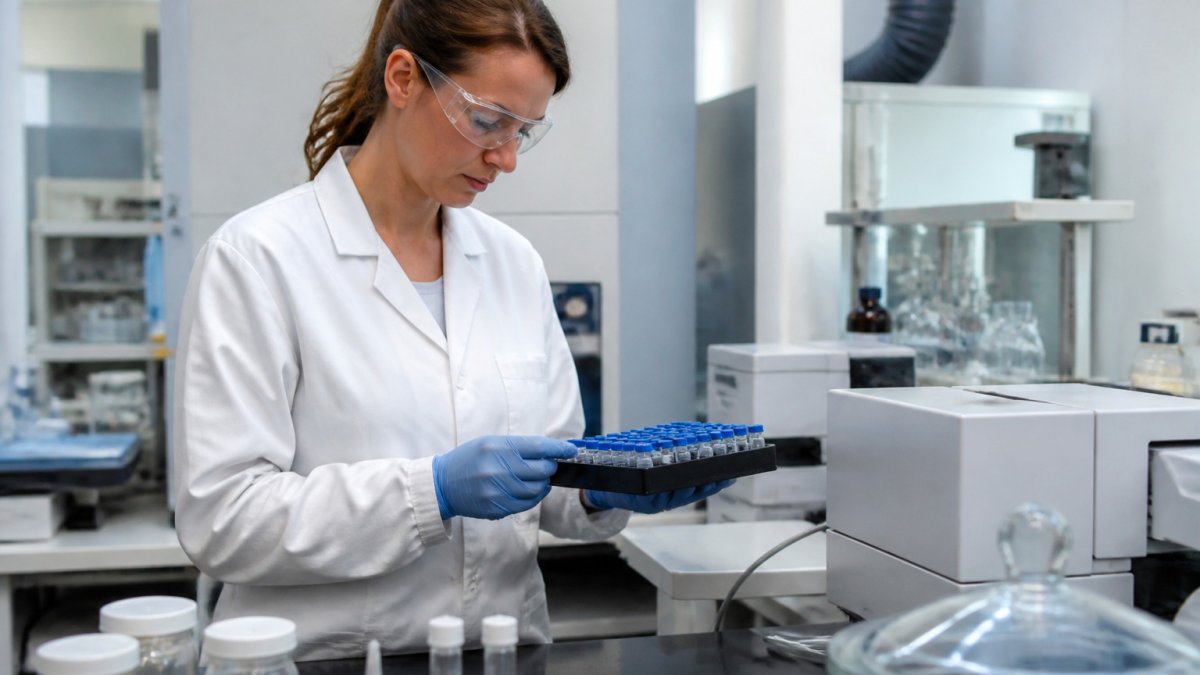
Independence is the key. A brand testing its own product has an obvious conflict of interest; an outside lab has nothing to gain from a passing result, making its findings far more credible.
Third-Party Tested vs. Lab Tested: What the Difference Means
"Lab tested" usually means the brand chose and may have paid the lab. Results can be accurate, but the brand decides what gets tested and whether to share the report.
"Third-party tested" means an independent lab ran the analysis. Look for a Certificate of Analysis (COA) naming the lab and listing results; a vague claim with no report deserves skepticism.
MushLuvv's Methylene Blue 1% Solution →
What Independent Testing Checks: Heavy Metals, Purity and Potency
Independent labs usually check three things: heavy metals (lead, arsenic, cadmium, mercury) against safe limits, purity (including pesticides), and potency versus label claims.
A good COA shows each result next to its test method and limit, so you can compare them yourself. For example, you can review the lab results for MushLuvv's Methylene Blue 1% Solution or the Organic Lion's Mane Extract Powder before deciding which product fits your needs.


Watch out: a single clean result from one batch does not guarantee every future batch. Check that the COA matches the lot number on your bottle.
Independent labs usually check three things, and a good Certificate of Analysis shows each result next to its test method and limit.
| Check | What it covers | Why it matters |
|---|---|---|
| Heavy metals | Lead, arsenic, cadmium, mercury | Compared against safe limits |
| Purity | Includes pesticides | Shows what else is present |
| Potency | Measured content | Compared against label claims |
| Batch match | Certificate of Analysis lot number | Must match the lot on your bottle |
Frequently Asked Questions
Does third-party testing guarantee that a supplement is safe?
Not on its own. Third-party testing shows whether a product matches its label and whether it falls within tested limits for specific contaminants, such as heavy metals. It does not evaluate every possible risk, and it cannot confirm that a product will work for a particular person. Look for a current certificate of analysis that names the tests performed, the lab, and the batch tested, and check that the batch matches the product you buy.
What is the difference between lab tested and third-party tested?
Lab tested usually means the manufacturer had a lab check its own product, which can create a conflict of interest. Third-party tested means an independent laboratory with no stake in the sale analyzed the product. Independent results are generally more reliable because the testing lab does not benefit from a particular outcome.
